Featured in The Globe and Mail on December 10, 2025
by Diana Ballon
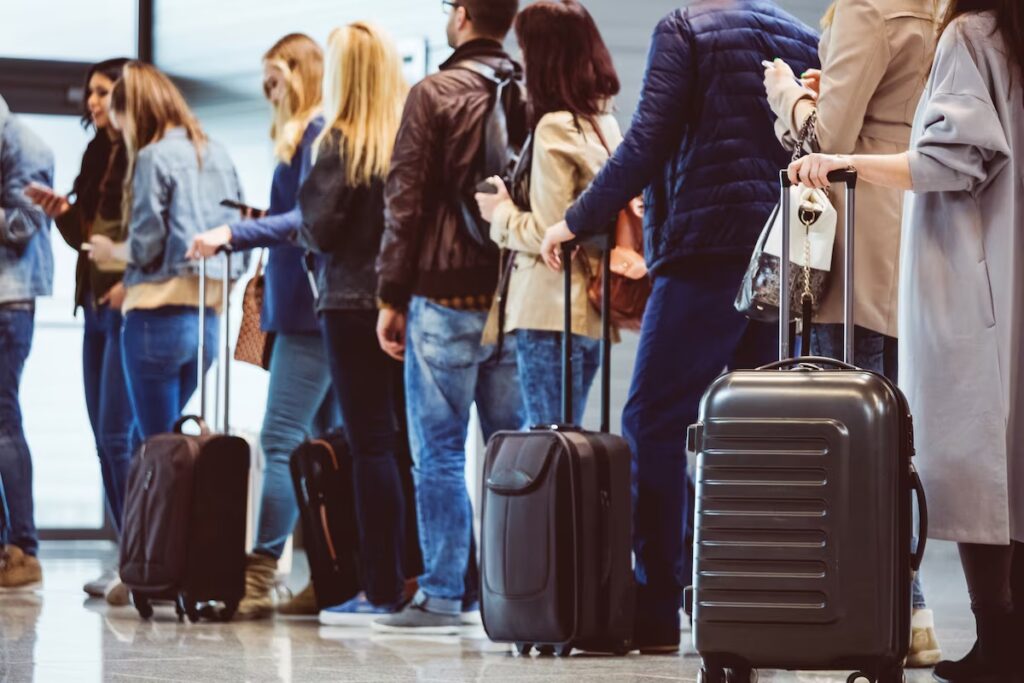
IZUSEK/GETTY IMAGES
If you’re a frequent flyer, you don’t need anyone to tell you flying these days can be both frustrating and, well, even infuriating. The cheap seats are cramped, carry-on rules keep getting more restrictive, and even basics, like water, will cost you on some budget airlines.
Take all this, combined with the stress of flight delays or cancellations, and what Gatineau-based etiquette expert Julie Blais Comeau describes as growing incivility and intolerance in our society – and you have a perfect pressure cooker for tempers to ignite.
“People are quicker to erupt than ever before, and are generally less tolerant of each other,” said Blais Comeau. “Angry outbursts have been normalized by explosive politics in social media, and people are less willing to consider and take responsibility for the ripple effects of their words and actions.”
According to the International Air Transport Association (IATA), reports of unruly passenger incidents rose from 2023 to 2024. Based on data from more than 60 operators globally, there was one incident per 405 flights in 2023 but one per 395 in 2024. While “non-compliance with crew instruction” was most frequently described, disruptive behaviour can range from yelling at crew or other passengers to physical assault.
Last month, the U.S. Transportation Secretary Sean Duffy announced a “civility campaign” aimed at reducing unruly passenger behaviour.
Long-time commercial pilot and captain David Culos, based in Toronto, said rage – which he describes as a situation where someone is on the verge of physical violence and loses all filters – is rare. But anger is not. “Any outbursts that may be a result of anxiety, mental illness or distress are potentially more consequential while in flight,” he said. And they can be downright dangerous when you’re flying at 40,000 feet.
Even behaviour that falls short of air rage or anger – like irritability and impatience – can be unsettling when you’re thousands of feet in the air in a metal tube.
As we head into the busy holiday travel season, here’s what experts say you can do to stay calm in flight and help others around you do the same.
Minimize stress before you board your flight
“Arrive to the airport with enough time, especially during holidays,” Culos advises. “Track the status of your flight, and be aware that often the cheapest fares may be subject to bumping or rescheduling if flights get oversold or cancelled.”
Ensuring you’re well rested and fed, and have enough snacks and ways to pass the time can also set you off on the right foot. If possible, Culos adds, “consider paying to select seats that have more room like emergency exit rows.”
Be considerate
It should go without saying that you shouldn’t clip your toenails on the plane (it’s been done). But there are other, more common behaviours that can aggravate the people around you and potentially inflame tensions.
Blais Comeau says simple steps such as wearing your backpack on your front when walking to your seat to avoid hitting people, remembering to check behind you before reclining your seat, avoiding smelly food or loud devices in flight, and waiting your turn to disembark can go a long way to keeping the peace. As for your socks? Keep ’em on.
Ask nicely, or ask for help
If you want a fellow passenger to turn down their music, or you’re hoping to switch seats, try to gauge if they would be approachable, advises Blais Comeau. Make warm eye contact, smile and then if the person seems friendly, politely ask for what you need. If a child is kicking your seat, alert the parent, rather than correcting the child yourself.
If your fellow passenger seems unapproachable, a crew member can help, Blais Comeau says. They are trained in de-escalation, and are better equipped to assist when emotions are rising or the conversation is getting tense.
Manage your own anger
What should you do if you’re the one getting hot under the collar, not your fellow passenger?
“Simple tools like counting backward from 300 by threes or talking yourself through the upset [phrases like ‘it will pass’] can help you calm down if you’re feeling a bit miffed or frustrated,” said registered psychologist Dr. Lorne Korman, clinical director of VanPsych mental health clinic in Vancouver.
But, he added, “if you are completely dysregulated and raging, and emotional intensity is high, cognitive or thinking strategies are actually ineffective.” Instead, Korman recommends other ways to counter an extreme emotion, such as acting opposite to how you feel as a way to moderate the emotion’s intensity. Small acts of kindness, for example, offering someone your place in the washroom line, generate the experience of warmth and may interrupt or prevent an emotion like anger from escalating.
Sensory strategies can also work. Splash water on your face in the washroom or take an ice cube from your drink and put it on the back of your neck as a way to calm your nervous system.
Avoid alcohol
If drinking alcohol tends to make you angry or short tempered, Korman says, you should avoid it.
“Dysregulated anger is never your friend,” he says. Unlike “regulated” anger, which can help us stand up for or assert ourselves, rage overwhelms people and prevents them from thinking clearly. Because alcohol disinhibits us, people are more likely to act on their anger.
Practise self-care
Even in budget economy, there are simple, inexpensive ways to make your flight more bearable. For me, that means bringing a cashmere sweater, cozy socks, an eye mask (for overnight flights), and protein snacks like granola bars to prevent becoming hangry.
Special to The Globe and Mail